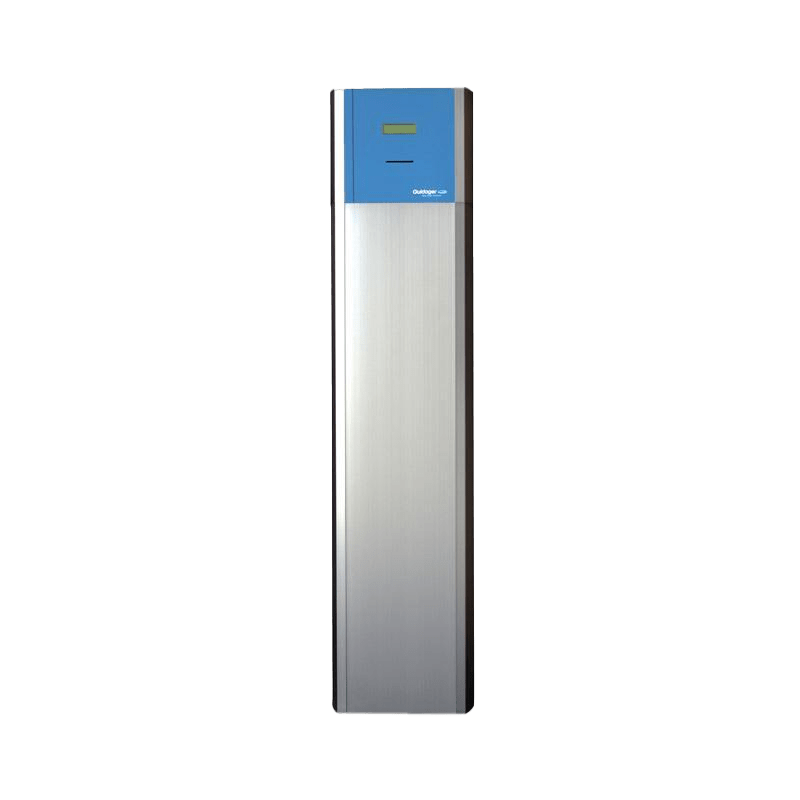


Optimal water treatment ensures enhanced operation and a reduced carbon footprint for district heating systems
Modern district heating production typically represents a massive capital investment that can lose unnecessary value if the system's water treatment does not function optimally. The efficiency of the water treatment impacts both current plant operations and requires stakeholders to consider its long-term financial implications well into the future.
The use of water as a transport medium for heat distribution in district heating means that water treatment quality directly influences operational performance, specifically regarding efficient fuel utilization, water loss, and maintenance. Recent years' focus on sustainable energy sources has fostered the implementation of solar collector systems, where the use of glycol imposes distinct requirements on water treatment.
Combined heat and power (CHP) and district heating plants are vital components of modern infrastructure. Security of supply and environmental impact are two key areas for district heating producers. Water treatment that protects the district heating supply against corrosion, scaling, and sludge accumulation ensures security of supply while reducing the environmental footprint by optimizing water and energy consumption, thereby securing production with the lowest possible carbon emissions.