


Legionella control
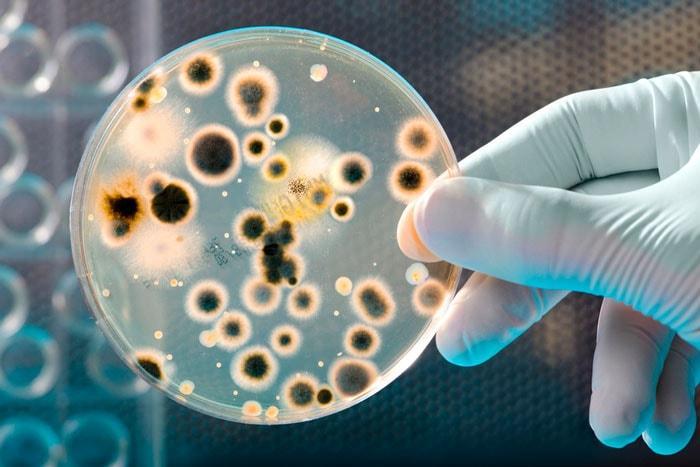
Legionella – A Serious Threat
Legionella is a bacterium present wherever water is found. It multiplies rapidly in stagnant water at favorable temperatures between 30–40°C, which coincides with the water temperatures preferred for bathing.
Unfortunately, Legionella is a hazardous bacterium capable of causing respiratory infections, sometimes with severe consequences. Legionella is airborne and spreads via micro-droplets (aerosols) generated when, for example, a shower is turned on, potentially causing a pulmonary disease that can be fatal in certain cases.
Legionella Assistance
Legionella presents a challenge in all environments utilizing domestic hot water systems.
We are fully committed to developing practical solutions to this issue. We offer professional consultancy, analysis, and identification of the correct solution to mitigate bacterial contamination.
Contact a consultant
Call +45 48 13 44 00 to learn how we can assist you.


Products for legionella control
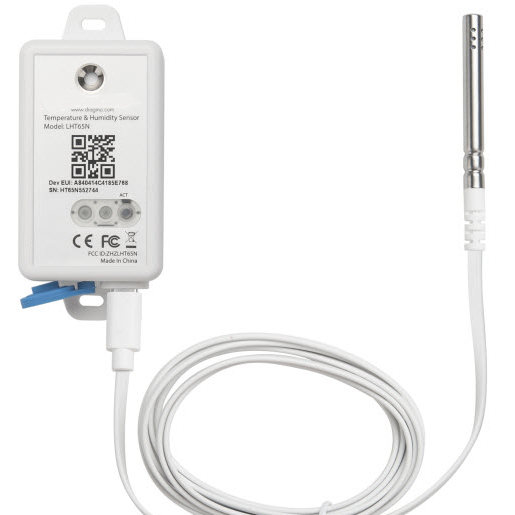
UniLog
UniLog is wireless and communicates with a receiver. All temperatures in the system are uploaded to the cloud, where they are monitored by Guldager A/S.
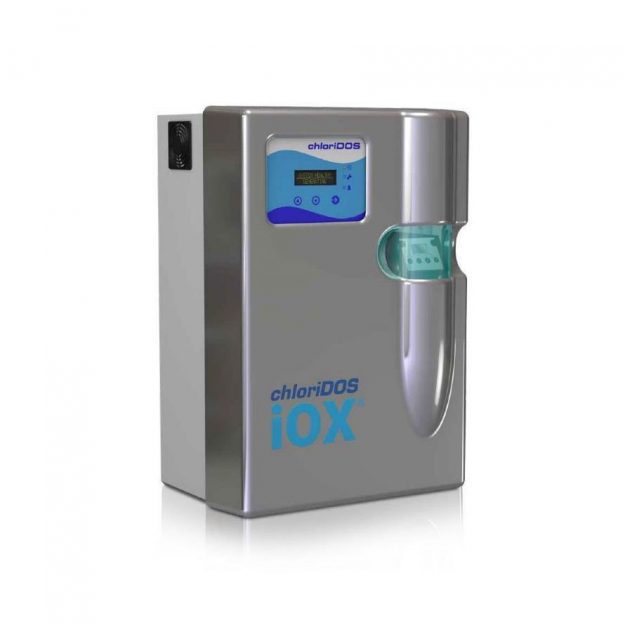
chloriDOS® iOX®
chloriDOS® iOX® is a dosing system designed to control Legionella in water-borne systems.
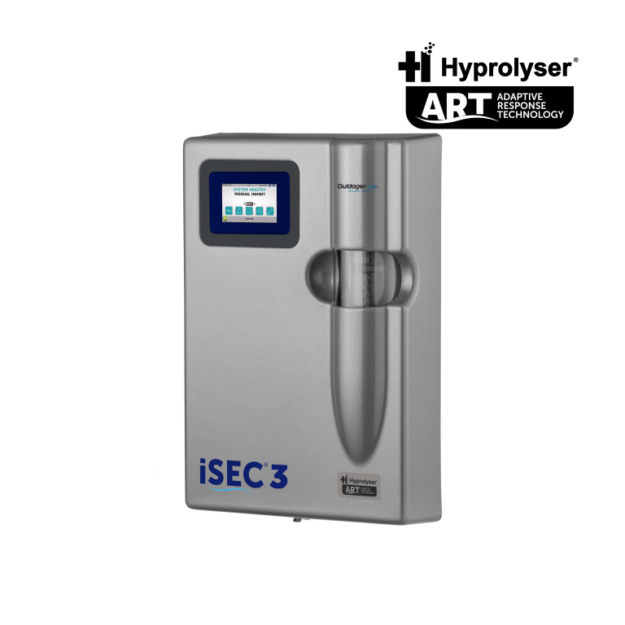
Hyprolyser iSEC
Electrolysis-based disinfection system for continuous prevention of Legionella in domestic hot water systems – utilizing only salt, water, and electricity.
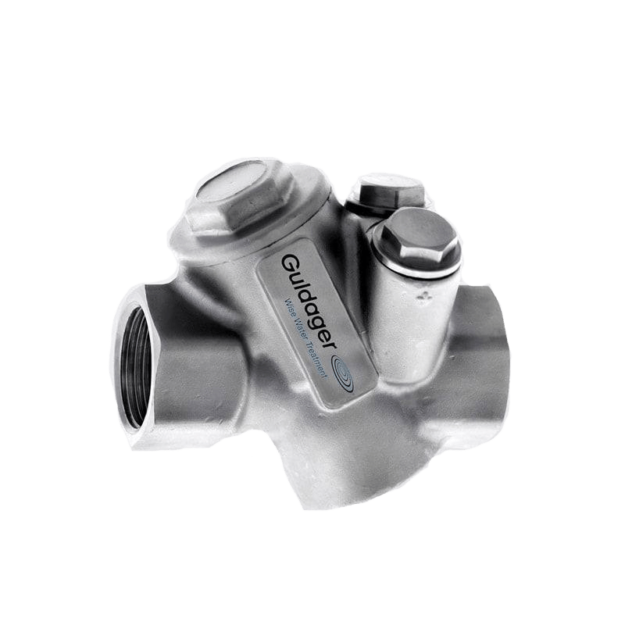
Alpha-B
Dynamic control valve for domestic hot water, specifically designed for flow regulation.
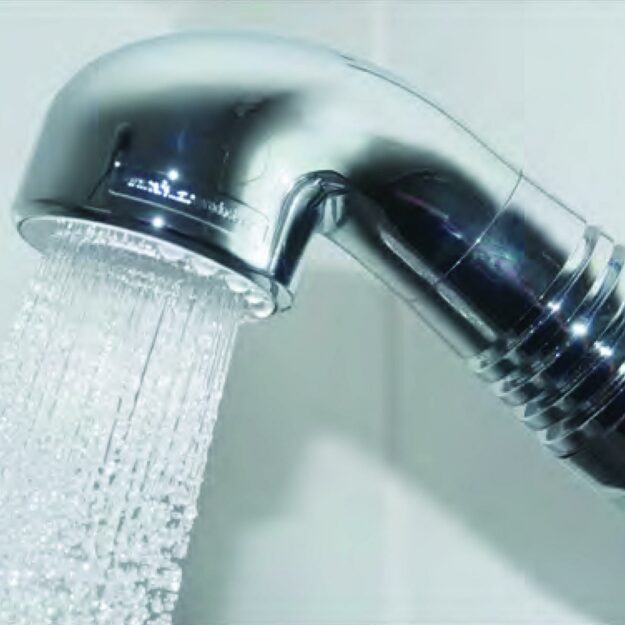
Water filters for emergency Legionella mitigation
Point-of-use filters attachable directly to shower heads, mixing faucets, or taps in the event of Legionella contamination.
7 golden rules to remember
01.
Temperature
Minimum 50 °C throughout the circulating domestic hot water system.
Monitor the temperature at the furthest draw-off points in the building as well. During peak load periods, a slight temperature drop is to be expected.
02.
Clean Pipes
Corrosion residues, rust tubercles, and biofilm serve as "hiding places" and "nutrients" for bacteria. During the pasteurization of a system, biofilm can protect Legionella bacteria from high water temperatures.
03.
Optimal distribution of hot water
Proper balancing of the hot water system ensures that recommended temperatures are maintained.
04.
Correct circulation velocity makes it more difficult for biofilm to develop and adhere, while improving conditions for corrosion protection.
05.
Tank Capacity
Hot water consumption should correspond to the tank being emptied 1.5 to 2 times per 24-hour period. An oversized tank leads to an excessively long retention time of the water within the 20–40 °C temperature range. An undersized tank risks promoting thermophilic bacteria due to insufficient thermal stratification in the tank.
If it is possible to run a Legionella program (thermal disinfection cycle) on the water tank, this should normally be performed at least once a week. The program should run at night to prevent scalding injuries.
06.
Dead legs
Improperly capped pipes provide favorable conditions for bacteria due to lower temperatures and the absence of flow in the closed pipe section.
07.
Infrequently used draw-off points are essentially the same as dead legs, except that water is occasionally drawn from them, which may have remained stagnant for 14 days or more.
All draw-off points should be flushed weekly at the highest temperature setting. For draw-off points not utilized during normal operation, artificial flushing must be performed. Additionally, ensure the mixing valves are cycled to prevent them from seizing at the preferred bathing temperature.
Articles
Do you have any questions? We are ready to provide advice and guidance
Use our chat function here on the page or contact us at +45 48 13 44 00 if you have any questions or would like a visit from our consultants.
Our service center is also in contact with our service vehicles if you need system servicing or emergency assistance.